Do you want to start a career in artificial intelligence but are confused about which certification to take? With so many options available, it’s obvious to feel like you’re caught in a maze! So, how do you choose the right AI certification?
In this blog article, we will guide you on understanding the AI certification landscape so that you make a better, informed choice.
Why AI Certification Matters
Artificial intelligence (AI) isn’t the future; it’s the present, transforming everything from healthcare to the automotive industry.
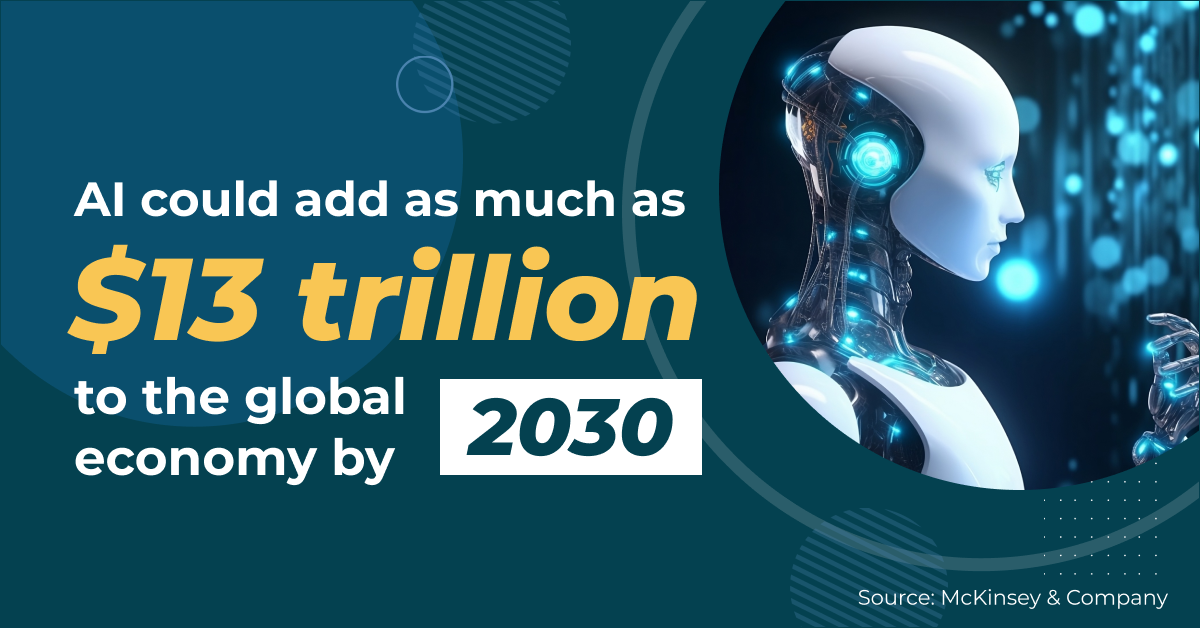
According to a McKinsey report, AI could add up to $13 trillion to the global economy by 2030.
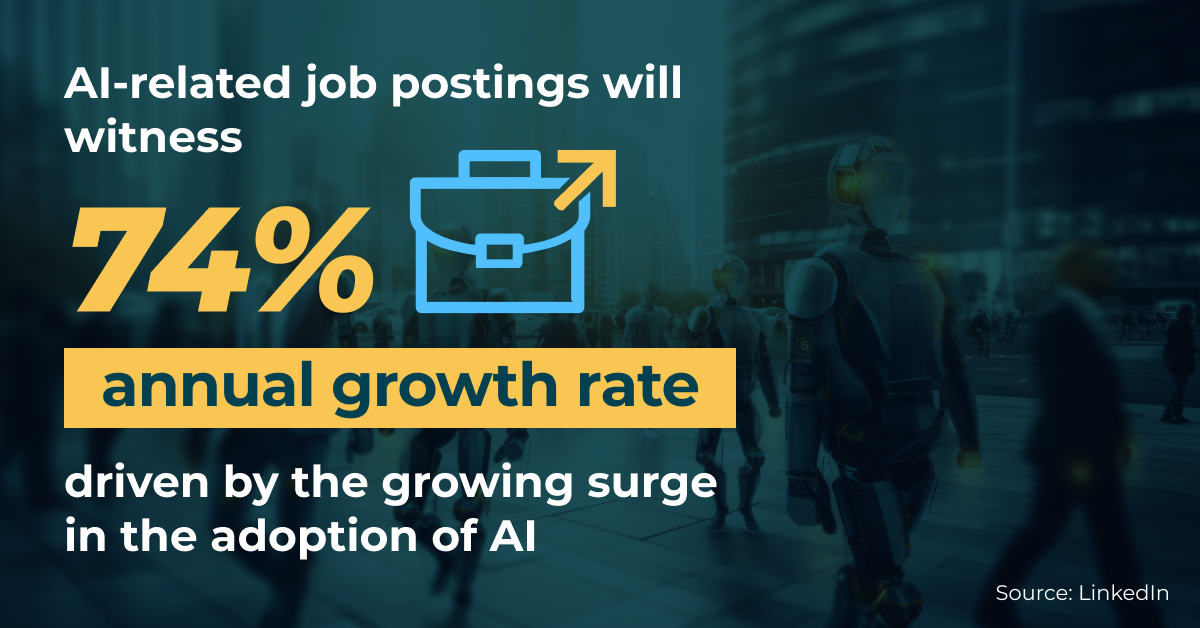
Another report by LinkedIn states that AI-related job postings will witness a 74% annual growth rate, driven by the growing surge in the adoption of AI. In fact, AI will be among the top 10 career paths in the coming decade! This means that the demand for AI professionals is exploding, and having an AI certification can help you make inroads into this industry.
An AI certification is more than just a shiny badge on your resume. It equips you with the skills and practical knowledge needed to contribute to this technological revolution. But don’t think this is just for the tech-savvy. Even if you’re in marketing, HR, or project management, understanding AI can give you a competitive edge. The first step is understanding how to start a career in AI. Analyzing the benefits of AI certification will give you the clarity to map out your learning journey and get started.
Types of AI Certifications
The pursuit of excellence in the realm of artificial intelligence (AI) begins with choosing the right certification path. There are many available choices – professional vs. academic, vendor-specific vs. general certifications, and online vs. in-person. Your choice of the kind of certification you choose will lay the foundation of your career path in this industry. Let’s simplify the complex web of options before you.
Professional vs. Academic Certifications
Whether fresh out of college or a seasoned pro, the first fork in the road is choosing between professional and academic certifications. Professional certifications are industry-focused and designed to equip you with job-specific skills. These are often quicker to complete and come from organizations recognized in the field, such as IBM or Google.
On the other hand, academic certifications dig deeper into the theories and methodologies usually offered by educational institutions. However, academic certifications often fail to provide hands-on experience that can make you feel underprepared for jobs.
Vendor-Specific vs. General Certifications
The next consideration is whether to specialize in specific vendors’ tools and platforms or go for a more general certification. Vendor-specific certifications often offer a deep dive into a particular platform’s capabilities, which is ideal if you plan to work in an environment that uses those tools. General certifications offer broader training that’s applicable across a variety of platforms and technologies.
Online vs. In-Person Certifications
The final layer of your decision-making process hinges on your lifestyle and learning preferences. Online certifications offer unmatched flexibility, allowing you to balance work, life, and study seamlessly. They’re often self-paced or mentored, making them an excellent option for juggling multiple commitments.
In-person certifications provide structured learning and face-to-face interactions, often resulting in more profound understanding and retention. However, opting for an online certification that provides personalized mentoring ensures a deeper understanding and overcomes the gap that in-person used to plug.
Making the correct choice among these options is crucial. Take the time to assess your career goals, learning style, and life circumstances. A well-chosen certification can be the cornerstone of a successful and fulfilling career in AI.
Importance of Hands-On Experience in AI Certifications
While theoretical knowledge is vital, the ability to apply that knowledge in practical, real-world scenarios is what truly distinguishes certified AI professionals. Your choice of AI certification should include those that provide you hands-on experience. Here’s why:
Bridging Theory with Practical Application
AI certifications equip you with foundational knowledge about AI concepts and algorithms. However, the real magic happens when you apply these theories to real-world situations. Hands-on experience is the bridge between theory and practical application.
Developing Problem-Solving Proficiency
AI certifications aren’t just about rote learning; they’re about nurturing problem-solving skills. Through hands-on projects and exercises, you’ll cultivate the ability to tackle complex AI challenges. You’ll gain the confidence to analyze data, design algorithms, and troubleshoot issues, which are invaluable skills sought by employers in the AI industry.
Demonstrating Competence
Employers value professionals who can immediately contribute to AI initiatives. You provide tangible evidence of your competence by showcasing your hands-on experience through AI certifications. It’s not just about claiming knowledge of AI but about demonstrating that you can effectively apply AI techniques to solve problems.
In the competitive job market, hands-on experience enhances your employability. Employers seek individuals who can make immediate contributions to AI projects, reducing the time it takes to become productive. Your ability to showcase practical AI skills can be the key to securing the job you desire and advancing your career in the AI domain.
Understanding Core Concepts
Embarking on an AI certification journey can be like learning a new language. Understanding the core concepts gives you the foundational knowledge necessary for your studies and empowers you to translate theory into practice efficiently. So, what are the core concepts?
Machine Learning Types and Uses
Machine learning is the backbone of AI. It comprises of supervised, unsupervised, and reinforcement learning.
- Supervised Learning: Guided Mastery: Think of supervised learning as a guided tour through the world of AI. In this approach, you are provided with a labeled dataset to train your model. It’s like having a knowledgeable guide leading you through a structured path, ensuring you understand and recognize patterns effectively. Supervised learning is the most used form of machine learning, making it an excellent starting point for AI enthusiasts.
- Unsupervised Learning: Navigating the Unknown: Unsupervised learning is like exploring a new city without a map. In this scenario, the algorithm ventures into uncharted territory, seeking patterns and categorizations independently. Unsupervised learning is a powerful tool for uncovering hidden knowledge within vast datasets and making sense of the unstructured data.
- Reinforcement Learning: Learning Through Experience: Imagine machine learning as a game and reinforcement learning as learning that game through trial and error. In reinforcement learning, the machine learns by making choices, taking actions, and receiving feedback. It’s akin to mastering a new game or skill by repeatedly trying, failing, and improving. Reinforcement learning is fascinating as it mirrors human learning processes, making it a vital component of AI development.
Neural Networks: The Building Blocks
Another important core concept of AI is the neural networks. Neural networks are the engines behind the stunning capabilities of AI. Modeled after the human brain, they consist of interconnected nodes that transmit and process data. They’re essential in everything from facial recognition to natural language understanding.
Natural Language Processing (NLP): Basics and Applications
The last and most important core concept of AI is NLP. NLP allows machines to read, comprehend, and respond to human language. We use this technology behind chatbots, translation services, and many more applications daily.
Grasping these core concepts will help you ace your certification and provide a robust foundation to apply your knowledge in the real world across industries. You’ll be well-equipped to make meaningful contributions right from the get-go.
Selecting the Course/Program with the Right Duration and Flexibility
Now that you know what to look for in a certification course/program, it is important to understand how to select from the myriad options available. In today’s fast-paced world, determining the right course depends on the time required to complete it. That’s why understanding the duration and flexibility of the AI certification course/program can make all the difference in your learning journey. Whether you’re balancing a full-time job, studies, or other commitments, a course or program format is tailored just for you.
Self-Paced, Structured & Blended Programs
You have three primary options: Self-paced, structured and blended learning have been identified as the types. With self-paced study lessons, you can go into great detail about things that interest you and choose how fast you want to learn. For people with erratic schedules or great self-organizing ability, they are perfect.
Nonetheless, structured programs have a defined schedule and class times, which gives it a more conventional learning approach. Participating in the interactions with the teachers and peers inside the organized programs helps one to acquire additional insight.
Hybrid programs, however, are those that are delivered through a combination of both face-to-face and online instruction. Higher education is a flexible and helpful structure. Combining online and traditional classroom learning, hybrid learning—also referred to as blended learning—allows you to access lecture notes and other learning resources online and simultaneously engage personally with your teachers and other students.
Time Commitment Estimates
Whatever type of tool you use, you have to be aware of the time you will need to dedicate on it. While some certificates would just require a few weeks of part-time employment, others could call for months or even a year. Knowing ahead of time how long it will take will enable you to control your objectives and create strategies.
Balancing Learning with Life and Work
Aligning the programs with your life obligations comes next once you know their length and degree of flexibility. The secret is to set aside particular blocks of time every week for your study, therefore guaranteeing consistent development free from overwhelm. A strategy allows you to learn a game-changing ability set and manage your personal and professional life. Knowing the above described characteristics helps you to make sure you select a certification program that fits your way of life, hence optimizing the learning results and professional growth.
Top 5 AI Certifications You Could Start with
Navigating the crowded landscape of AI certifications can be daunting. But don’t worry; we’ve done the heavy lifting for you. In this section, we spotlight the top 5 AI certifications that are globally recognized and highly recommended.
- AI for Everyone: Master the Basics
A comprehensive course for beginners to grasp the fundamentals of artificial intelligence, making AI accessible to all. - Foundation of Artificial Intelligence & Machine Learning
Build a strong AI and machine learning base, covering essential concepts and principles. - Artificial Intelligence Foundation
A program that dives deep into the core of AI, providing a solid understanding of its principles and applications. - IBM Applied AI Professional Certificate
Learn AI from industry experts and earn a professional certificate recognized by IBM. - TechMaster Certificate Program in Data Science & Artificial Intelligence
A comprehensive program covering data science and AI, designed for tech enthusiasts and aspiring professionals.
These programs offer comprehensive training in AI disciplines such as machine learning, neural networks, and natural language processing. The first three are foundation courses, while the others are specialized courses designed to help you advance in your career.
Who Is the Ideal Candidate to Take These Certifications?
Whether you’re just starting or are an experienced tech professional, these certifications offer something for everyone. They are designed to cater to various learning needs, from foundational principles to specialized skills.
Questions to Ask Before Enrolling
Once you are all set, you should ask some essential questions to ensure you’re making the right choice.
Ques. Is the Program Accredited and Recognized?
Ans. When it comes to your career, you can’t afford to take chances. It’s crucial to choose a certification program that reputable organizations accredit. This ensures the quality of education and makes your certification more valuable in the job market.
Ques. Are the instructors industry Experts?
Ans. Knowledge and guidance from industry experts can significantly enhance your learning experience. Ensure that the program is taught by instructors with real-world experience in the field.
Ques. What Kind of Post-Certification Support Is Available?
Ans. Certification is the first step; what comes afterward is equally important. Does the institute offer career services, alumni networks, or mentorship programs? A program that extends beyond the classroom shows a genuine commitment to your career success.
Ques. Are There Opportunities for Hands-on Experience?
Ans. Theory and lectures are essential, but they can’t replace the value of hands-on experience. Inquire about opportunities for practical applications like labs, projects, or internships. This will give you the real-world skills that employers are actively seeking.
Ques. How Up to date Is the Curriculum?
Ans. In the fast-paced world of technology, your education must remain current. Ask about how frequently the curriculum is updated to reflect industry trends and advancements.
Ques. What Is the Student-to-instructor Ratio?
Ans. Smaller class sizes often mean more personalized attention and better opportunities for interaction with instructors and fellow students. Consider the class size when evaluating the program.
Ques. Are There Flexible Learning Options?
Ans. Life is busy, and flexibility matters. Check if the program offers online, part-time, or self-paced options to accommodate your schedule and learning preferences.
By asking these questions, you’re not just being cautious; you’re being smart. You are ensuring that your time, money, and efforts are invested in a program that offers substantial returns in terms of knowledge and career opportunities.
Next Steps and Resources
As you can see, determining the right AI certification requires a thorough consideration of several aspects, including course curriculum, duration, flexibility, and type of learning. While certifications play a crucial role, developing a learning routine outside of it is equally important. Following are some action steps that you can take to ensure you stay ahead of the curve.
Prepare Your Learning Space
A conducive environment plays a significant role in your learning experience. Here’s what you can do to set up the ideal learning space:
- Quiet and Distraction-Free: Find a quiet space to concentrate without interruptions or distractions.
- Essential Equipment: Make sure you own a dependable computer or device, fast internet connection, and any necessary software or tools for your classes.
- Optimal Configuration: Allocate resources towards acquiring an ergonomic chair and workstation to enhance comfort during extended study periods.
- Efficient Workspace: Maintain a systematic arrangement of your learning materials, notes, and resources to facilitate convenient retrieval.
Create a Resource Checklist
Create a checklist that serves as your roadmap to certification success. Include the following items:
- Course Materials: Ensure you can access all the required course materials, including textbooks, lecture notes, and digital resources.
- Online Forums: Join relevant online forums or communities where you can ask questions, share insights, and connect with fellow learners and professionals.
- Professional Networks: Start building your professional network early by connecting with instructors, classmates, and industry experts on platforms like LinkedIn.
- Study Schedule: Plan a schedule that aligns with your commitments and goals. Set aside dedicated time for learning each day or week.
Explore Relevant Books, Articles, and Courses
To broaden your understanding and skill set beyond the course material, consider exploring additional resources:
- Books: Look for books on AI and related topics written by experts in the field. Some recommended books are “Artificial Intelligence: A Guide to Intelligent Systems” by Michael Negnevitsky and “Python Machine Learning” by Sebastian Raschka.
- Articles and Journals: Explore AI-related articles and research papers published in reputable journals and publications.
- Supplementary Courses: Enroll in supplementary courses or workshops that delve deeper into specific AI subfields, such as natural language processing or computer vision.
Taking these steps will prepare you for the immediate path toward certification and lay a strong foundation for continuous learning in the ever-evolving field of AI. By creating an optimal learning environment, building a resource checklist, and exploring supplementary materials, you set yourself up for success on your AI certification journey.
If you would like to know more about how you can build the necessary skills and get started on an AI certification, contact our Learner Support Team at contact@skillup.online. They will be happy to guide you on your next steps.